Some rewards from encounters with bears and birds
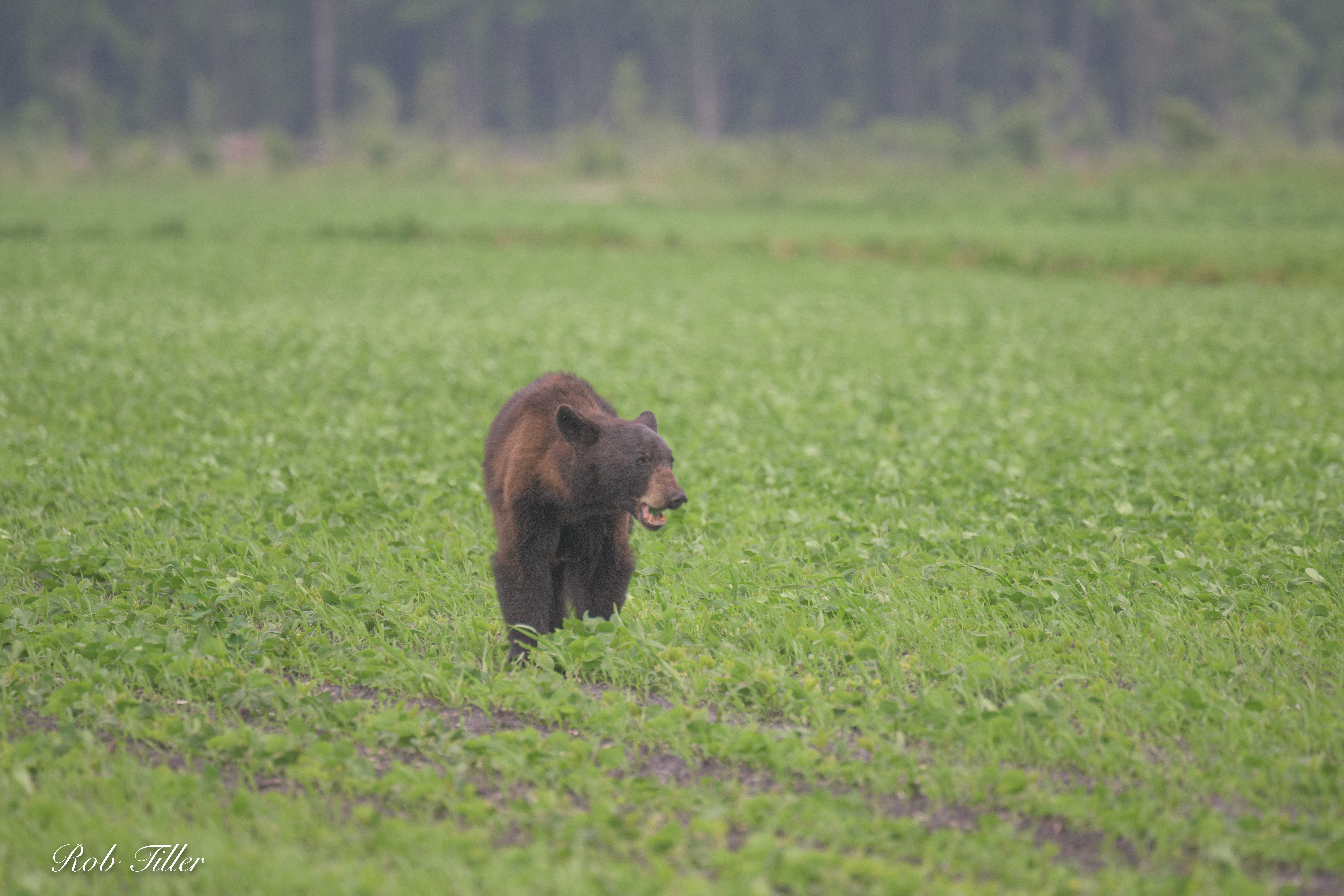
Last week I made a day trip to Alligator River Wildlife Refuge to look for bears. Although this part of eastern North Carolina has a large population of black bears, I didn’t have great luck that day. I saw just one.

But the bear was a handsome creature, grazing peacefully in a large field. I was the only human there, and although she occasionally glanced at me, she seemed undisturbed. She seemed to find the young leaves tasty. I took pictures for twenty minutes or so, and then left her to look around for others, which I didn’t find.

Later, as I looked back over the pictures, I realized that I enjoyed the experience of being with the bear more than taking the pictures. It takes practice to operate a sophisticated camera, and from time to time there are malfunctions or other surprises. And I do find the technical challenges of wildlife photography interesting. But the deeper satisfaction is connecting with animals and their environment.

When I share pictures here or on Facebook, Instagram, or YouTube, I hope that something of that feeling comes through. I try to select and process wildlife images in a way that communicates something of their experience and of mine. Doing so often teaches me things I hadn’t realized before, by isolating a particular moment. It also makes me more curious to learn more about the creatures.

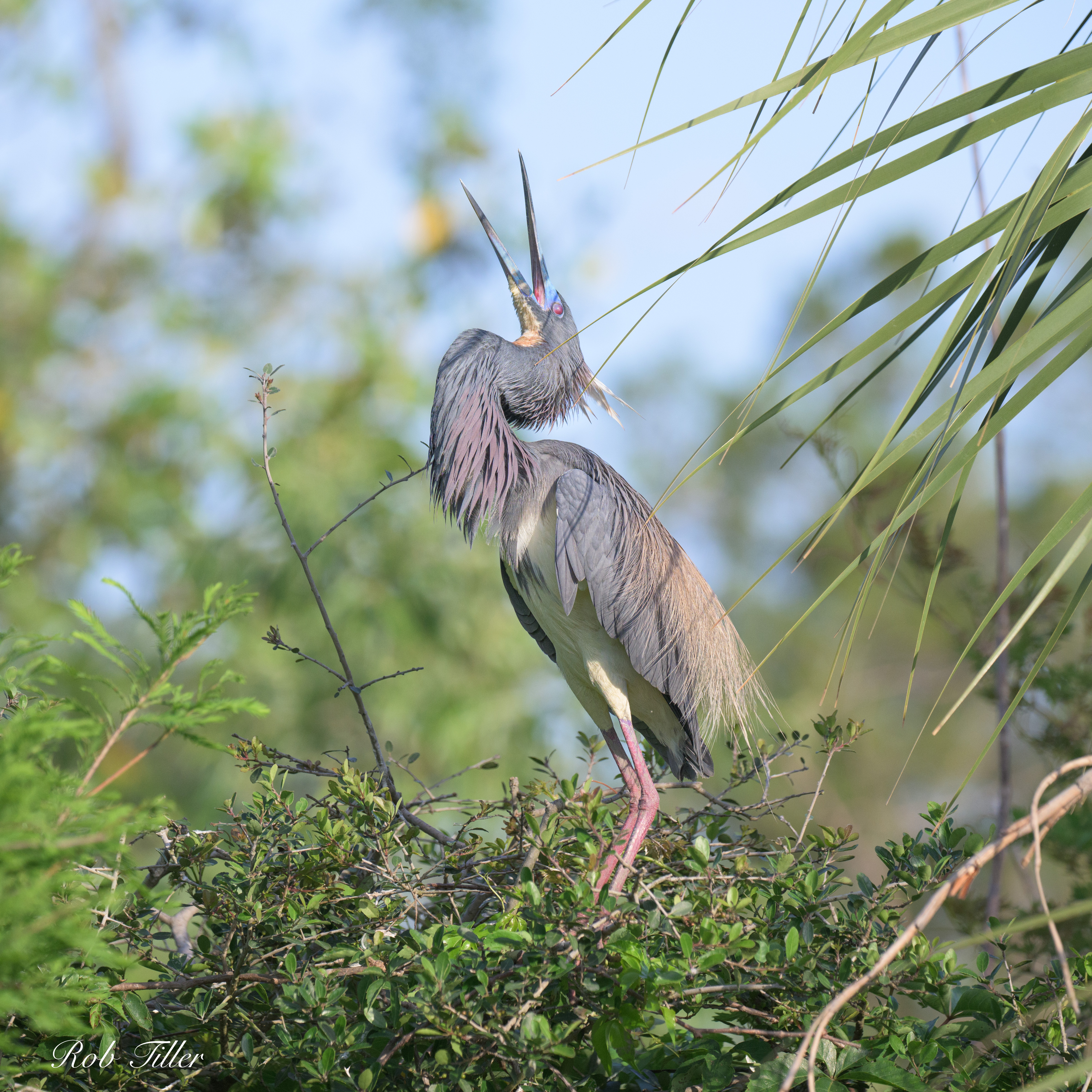
The non-bear pictures here are some of the birds I photographed in April at the St. Augustine Alligator Farm rookery. I enjoyed seeing the birds in flight, but I was particularly interested in the birds working on their nests, grooming themselves, communing with their mates, and taking care of their chicks.

These activities happen among many species in many places, but humans don’t usually get a close-up view. Many of us don’t know what we’re missing, and it can matter.
If we have little or no contact with non-human animals, we are unlikely to appreciate their beauty and even their basic existence. Unless we make some effort, our world view narrows, and we think there isn’t much in the world of significance other than other humans and their activities.
Wearing such blinders is unfortunate for us; we miss so much that can bring peace and joy. It’s even more unfortunate for the non-humans. Our ignorance of the lives of other creatures leads us to devalue those lives, and inflate our own significance. When we think nothing matters but us, our worst tendencies, like greed, hatred, and fear, rein unchecked.

And so we commit or tolerate massive destruction of the natural world, including animal habitats, in the interest of profit for a few. We can’t see the good alternatives to factory farming, which is a major contributor to global warming. We manage not to think about the meat industry, with its enormous cruelty to animals.

But this common mind set is not set in stone. We already have the qualities that can change it. That is, we have the capacity for greater curiosity and compassion. Even those of us most indifferent to or fearful of nature have the capacity for empathy and love. People change, and you can never tell what might touch them, or when. And so I try to stay open and optimistic.

Last week I uploaded my first YouTube slide show, a selection of favorite photos from our safari trip to South Africa and Botswana last March. It’s four minutes long, with music. Hope you like it!
 The Casual Blog